Lucia Lash
Depicting personal values in online presence. Lucia Lash is a small, woman-owned business offering lash extensions among other aesthetic services.
Duration
2023 February–April
Client
Lucia Lash
Services
#
UX Design
#
Web Design
#
End-to-End Design & Development
Challenge
While word of mouth still drives salon discovery, a quick web search is now part of the process. For a local lash extension studio, an outdated web presence risked losing potential clients at that moment of search — before they ever walked in the door.


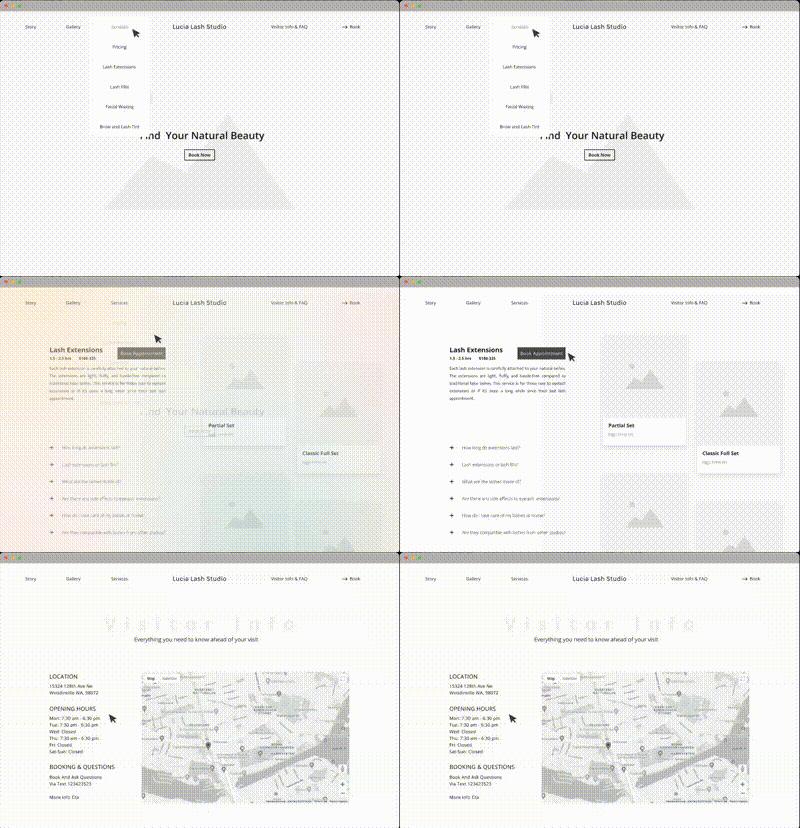
Click images to enlarge. (Left) The client's existing website was bare and outdated. (Middle) Our proposed sitemap based on modern competitor websites and the client's needs. (Right) Our low-fidelity prototype exemplifies proposed navigation throughout the redesigned website.
Process
Research & concept validation
A competitive audit of salon websites informed an initial sitemap and low-fidelity prototype, built by a two-person design team. Early concept testing with a target user — a woman in her mid-20s who wasn't a frequent salon-goer — surfaced usability issues early and grounded the problem space. Her feedback made the stakes of web design quality clear: in her experience, the effort a studio puts into its website signals the quality of the studio itself.
Brand development
In parallel, my co-designer gathered homepage references from fashion and beauty brands to align with the client's visual direction. A client meeting clarified her preferences: neutral colors, bold typography, and visuals over text. Three brand keywords emerged — fashionable, clear, organic. I translated these into four style tiles, which we each applied to a full-page services page mockup — the site's most content-heavy page and the strongest vehicle for showing a branded system in context.
Design iteration
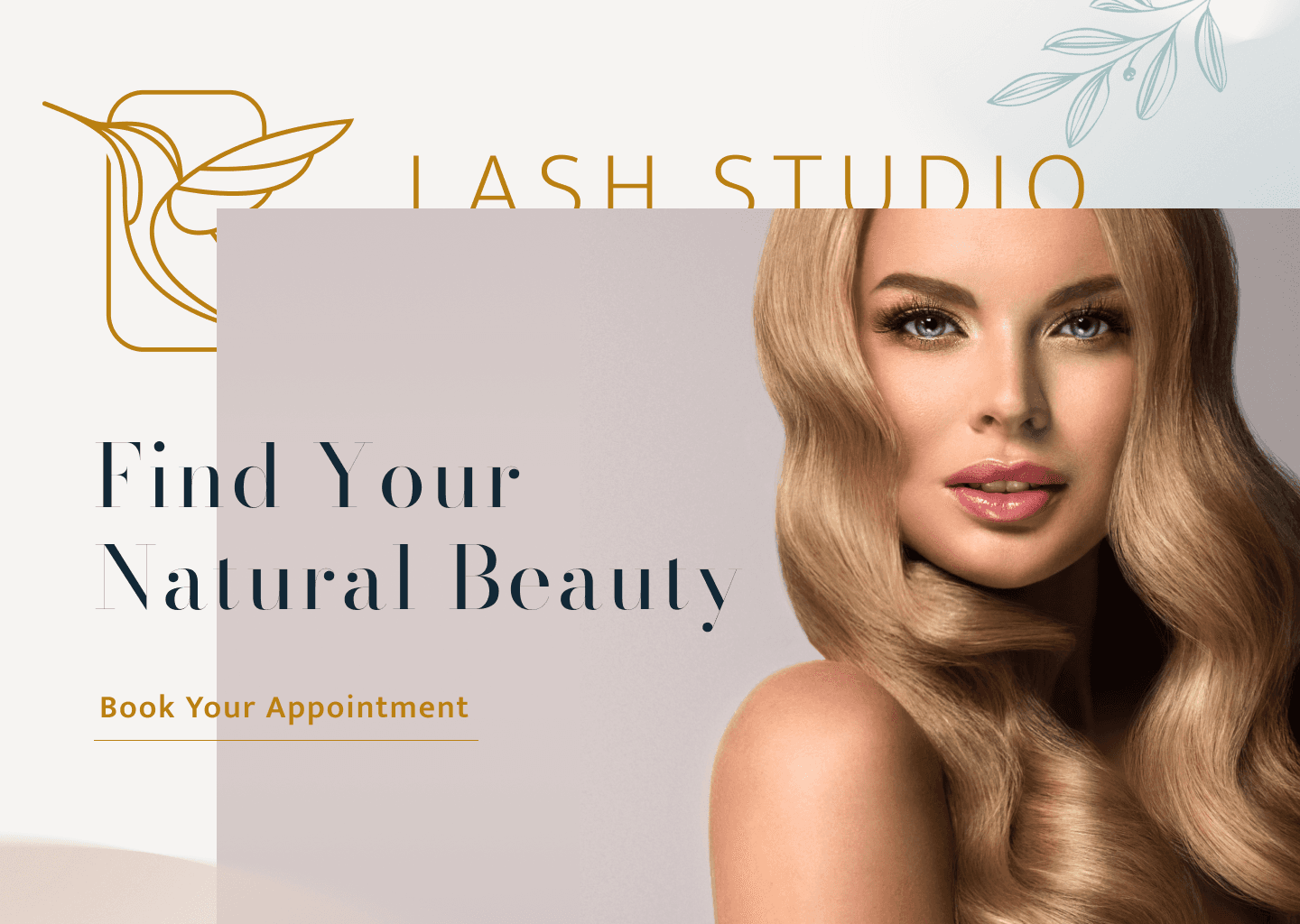
The client had a clear preference among the mockups, though she also returned to one of the reference homepages, so we explored its design language in an additional concept. She remained loyal to the original direction, and we iterated from there — refining color weight, visual elements, and logo options. My co-designer landed on a line art icon paired with a wordmark, weaving in the client's affinity for hummingbirds. Fourteen more rounds of visual iteration followed before we moved to responsive design.
Responsive design & usability testing
We split the breakpoints: I handled mobile, my co-designer handled desktop. Working simultaneously, we found that some layout designs worked better in other contexts. Repurposing each other's designs throughout the site allowed us to avoid "wasting" each other's work. After three rounds of iteration, we finalized the high-fidelity prototype and ran usability tests with three participants across both breakpoints, leading to three more rounds of refinement.
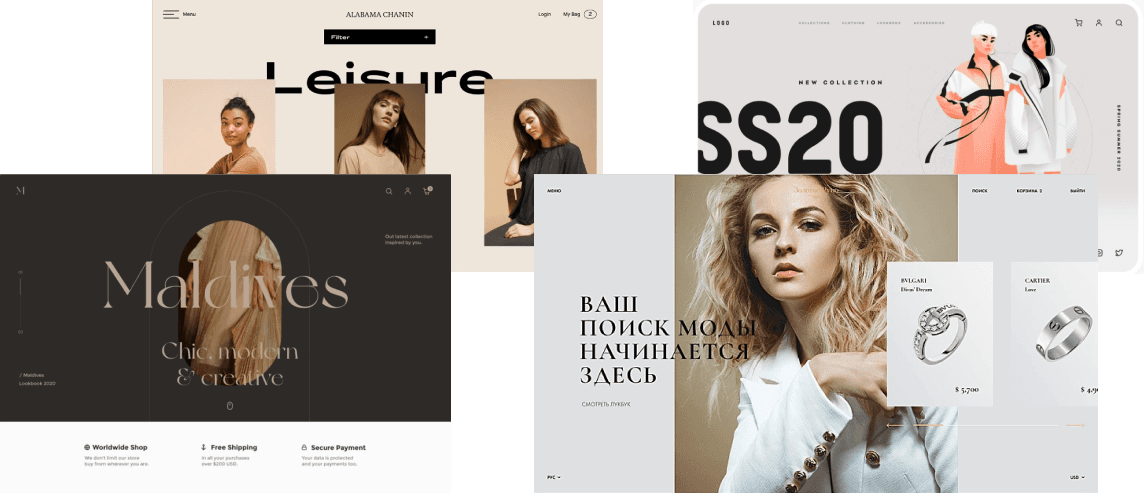
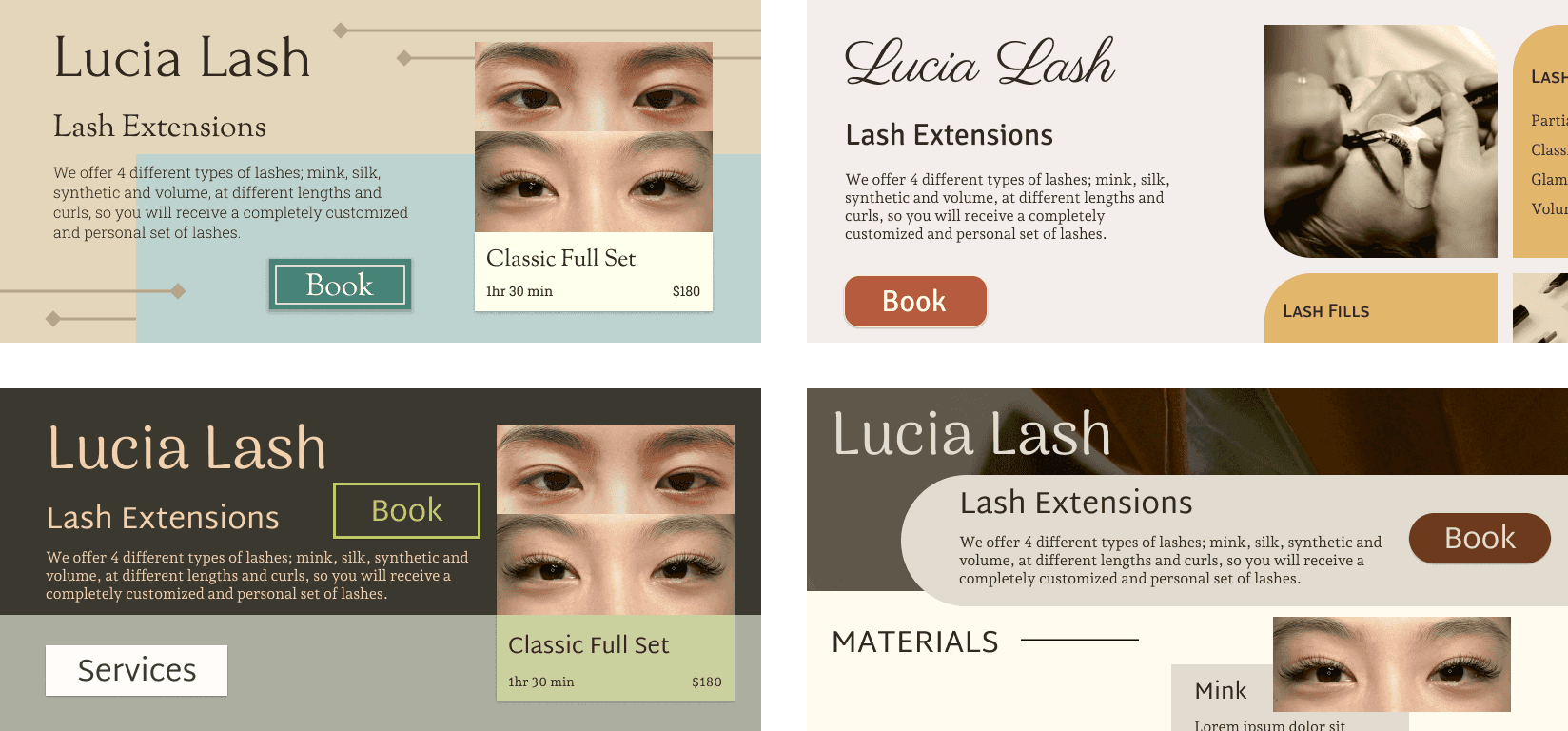
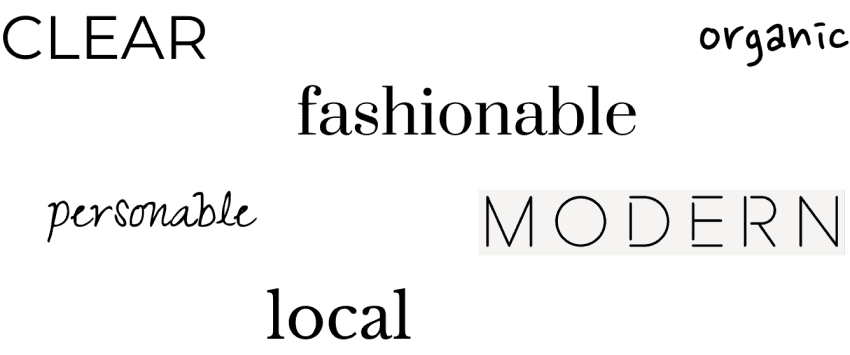
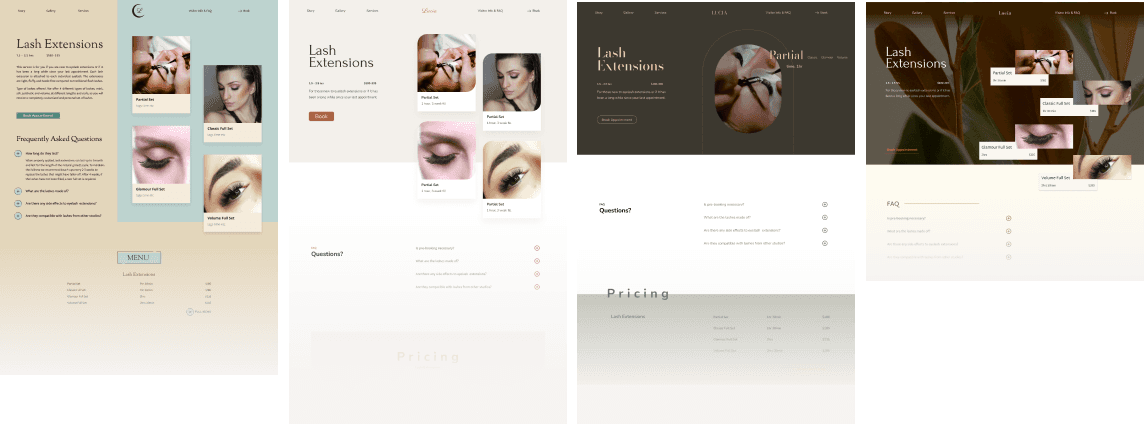
Click images to enlarge. (Upper left) Websites in similar industries served as inspiration for our client's rebrand. (Upper right) Keywords capturing our client's brand identity. (Lower left) Ideating brand and visual design. (Lower right) Drafts of the main content page utilizing different branding and visual design elements.
Result
I built the site in Webflow over two weeks, handling the full design-to-code translation independently. After launch, I incorporated client feedback across two rounds of technical adjustments, delivering a polished, responsive website aligned with her brand vision.